The Anatomy of Cables: How They Connect Our Digital Lives
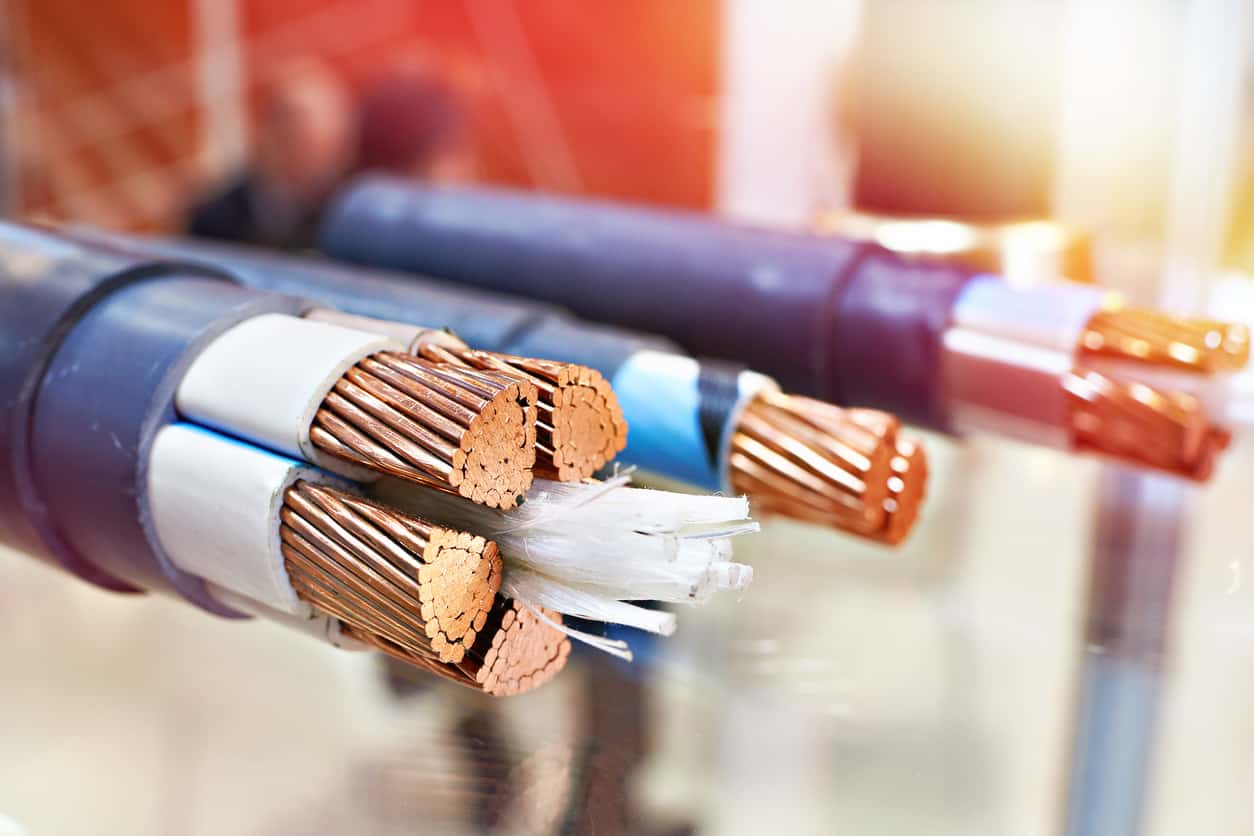
The anatomy of cables is a fascinating exploration of how these seemingly simple components are integral to our digital lives. From the fiber optic cables that carry data at lightning speeds to the humble copper wire, each type of cable is designed with specific functions in mind. Understanding the basic components, such as the conductors, insulation, and sheath, helps us appreciate their role in connecting devices. Cables are categorized based on their usage, including power cables, coaxial cables, and network cables, each offering unique benefits that enhance our digital experiences.
Moreover, the evolution of cables over time has revolutionized the way we interact with technology. For instance, USB cables have simplified the process of data transfer and charging, while HDMI cables have become essential for transferring high-definition video and audio. As we continue to advance into a more connected future, understanding the anatomy of cables not only helps us troubleshoot connectivity issues but also allows us to make informed decisions when upgrading our technology. A well-informed approach to selecting and using the right cables can significantly impact the performance and reliability of our digital infrastructure.
Counter-Strike is a popular tactical first-person shooter video game series in which teams of terrorists and counter-terrorists compete to carry out objectives such as bomb defusal or hostage rescue. Many players enjoy customizing their gameplay experience, which can include using various hardware and software tools. For those interested in enhancing their travel gaming experience, consider checking out the Top 10 travel tech accessories that can make gaming on the go much more convenient.
Understanding Different Types of Cables: Which One Do You Need?
When it comes to electronics and networking, understanding the different types of cables is crucial for making the right choice. There are various types of cables designed for specific purposes, including power cables, data cables, and audio/video cables. Each type serves a unique function, and knowing how they work can help you avoid potential compatibility issues. For instance, Category 5e (Cat5e) cables are commonly used for Ethernet connections, providing a reliable way to connect devices to the internet, while HDMI cables are essential for transmitting high-definition video and audio from devices like gaming consoles and televisions.
To decide which cable you need, consider the specific devices you want to connect and their requirements. For example, if you need to connect a computer to a router, an Ethernet cable such as Cat6 might be ideal due to its superior bandwidth capabilities. On the other hand, if you're setting up a home theater system, optical cables or HDMI cables would be necessary for optimal audio and video quality. Ultimately, understanding the different types of cables available can save you time and money while ensuring all your devices work seamlessly together.
Cables vs. Wireless: What’s The Best Choice for Your Connectivity Needs?
When it comes to connectivity, Cables and Wireless options each have their distinct advantages and drawbacks. Cabled connections, such as Ethernet, typically provide faster speeds and more stable connections compared to their wireless counterparts. They are also less susceptible to interference from other devices and environmental factors. However, installing cables can be cumbersome, requiring physical infrastructure that may not be practical in every setting. If you prioritize speed and reliability in your internet usage, cabled connections may be your best choice.
On the other hand, wireless connectivity offers unmatched convenience, allowing users to connect multiple devices across a wide area without the need for physical links. Technologies like Wi-Fi and Bluetooth have evolved significantly, providing reasonable speeds and coverage for everyday tasks. Moreover, wireless connections allow for mobility, enabling users to stay connected while on the go. However, they might still face issues like signal dropouts and reduced speed with distance. Ultimately, the decision between cables and wireless will depend on your specific needs, usage habits, and the environment in which you operate.