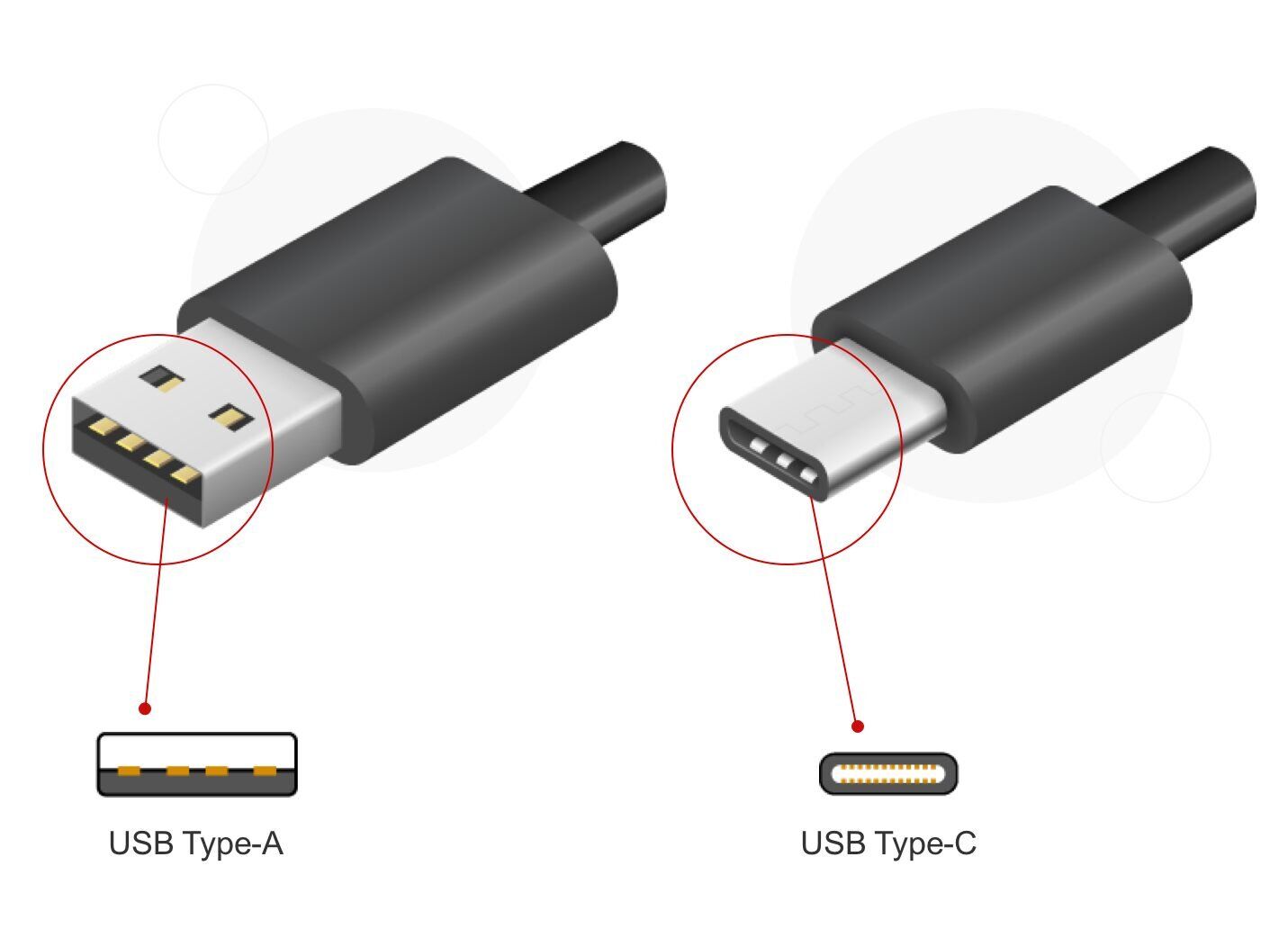
Understanding USB-C: How One Connector Simplifies Your Tech Life
In today's digital landscape, USB-C has emerged as a game-changing connector, streamlining the way we connect and charge our devices. Unlike its predecessors, this versatile connector supports a range of functionalities, from data transfer to video output, all through a single cable and port. This simplification not only reduces clutter but also enhances compatibility across various devices, making it easier for users to manage their tech. As more gadgets adopt the USB-C standard, understanding its features becomes essential for anyone looking to optimize their technology experience.
One of the standout aspects of USB-C is its ability to deliver power and data simultaneously, allowing for faster charging and efficient data transfers. For instance, with the right cable, you can charge your laptop, connect to an external display, and transfer files all at once. This multifunctionality not only saves time but also diminishes the need for multiple cords and chargers. Additionally, the reversible design of the USB-C connector eliminates the frustration of fumbling with the plug, ensuring a user-friendly experience that resonates with tech enthusiasts and casual users alike.
Counter-Strike is a highly popular tactical first-person shooter game that has captivated millions of players worldwide. With its focus on team-based gameplay and strategy, it has become a staple in the esports community. Players can immerse themselves in various maps and modes, enhancing their skills and teamwork. For those looking to enhance their setup, check out the Top 10 Accessories for Coding with MacBook to optimize their gaming experience and productivity.
The Versatility of USB-C: A Comprehensive Guide to Its Features
The USB-C connector has swiftly become the universal standard for charging and data transfer across a multitude of devices, including smartphones, laptops, and tablets. Its reversible design ensures that users can plug it in without fuss, enhancing convenience. One of the standout features of USB-C is its ability to support a wide range of protocols, such as USB 3.1, Thunderbolt 3, and DisplayPort, making it extremely versatile. This capability allows for rapid data transfer speeds of up to 10 Gbps, alongside the potential for video output—all through a single cable. As more manufacturers adopt this technology, consumers can expect a more streamlined experience with fewer wires cluttering their lives.
Another significant advantage of USB-C is its power delivery feature, which enables devices to charge faster and more efficiently. With the right power adapter, users can achieve up to 100 watts of power delivery, providing enough juice to charge everything from smartphones to laptops. This makes USB-C an optimal choice for those who juggle multiple devices throughout the day. Additionally, its growing adoption means that accessory options, including hubs, docks, and cables, are becoming increasingly abundant, giving users more freedom to customize their setups. As the digital landscape continues to evolve, the versatility of USB-C will remain central to enhancing connectivity.
Is USB-C the Future of Connectivity? What You Need to Know
As technology continues to evolve, USB-C has emerged as a powerful contender in the realm of connectivity. Unlike its predecessors, USB-C offers a range of benefits that cater to modern users' needs, including higher data transfer rates, improved power delivery, and the ability to connect various devices with a single cable. This versatile connector is becoming ubiquitous across numerous devices, from smartphones to laptops and even peripherals like monitors and docking stations.
But what does this mean for the future? With many manufacturers adopting USB-C as the standard jack, we can anticipate a more streamlined user experience and reduced electronic waste due to fewer cables and connectors. USB-C brings with it a sense of convenience and uniformity, encouraging consumers to embrace this all-in-one solution. As we move forward, it is essential to understand the potential of USB-C and how it may reshape the landscape of connectivity, making it a crucial consideration for both developers and consumers alike.